In this blog series, I will share practical insights and best practices for implementing Lean Agile Portfolio Management (LPM) as part of large-scale SAFe transformations.
Over the past 13 years, my work has included:
- 7 major SAFe transformations
- 6 Lean Agile Portfolio implementations
- 67 Agile Release Train (ART) launches, including training and coaching
Along the way, I have seen recurring patterns—both successful approaches and common pitfalls. My goal with this series is to share lessons learned, including mistakes made in real-world transformations, so that you can avoid repeating them in your own context.
What This Blog Series Will Cover
- When is the right time to start shaping your Lean Agile Portfolio—and how many portfolios should you define?
- How do you consolidate ongoing projects into a Lean Agile Portfolio context?
- How do you manage portfolio imbalance—what you want to do versus what you can do within a given timeframe?
- How do you establish clear execution rules using WIP limits and tooling that supports multiple swim lanes in a Portfolio Kanban?
- Do strategic themes truly reflect just your "Must Win Battles", or could they be structured differently?
- How do we transition from traditional projects to products using Epics, adopting the SAFe Lean Startup Cycle and applying the Lean Business Case correctly?
A Hard Truth About Traditional Portfolios
"Most traditional portfolios are not aligned with what our development organizations can actually accommodate."
Yes, I said it—out in the open. This statement can be perceived as controversial, especially among decision-makers. But take a moment to reflect on the underlying drivers behind this misalignment.
In my experience, the root causes often include:
- Too many initiatives in motion at the same time
- Projects/Initiatives being too big in scope before value can be capitalized
- An imbalance between idea crafters and idea implementers
- Fragmented or misaligned hiring and budgeting practices
- A disconnect between Business and IT, where work is "thrown over the wall" instead of jointly owned and jointly delivered
- Lack of reliable flow and speed metrics to understand true delivery capacity
- Limited understanding of each other's perspectives and expectations
- Absence of meaningful execution metrics to guide decisions
The result? Overloaded systems, unpredictable delivery, and missed expectations.
So, Where Do We Start?
The SAFe Implementation Roadmap encourages organizations to move these discussions earlier in the lifecycle and continuously refine them as ARTs mature. But what does this mean in practice?
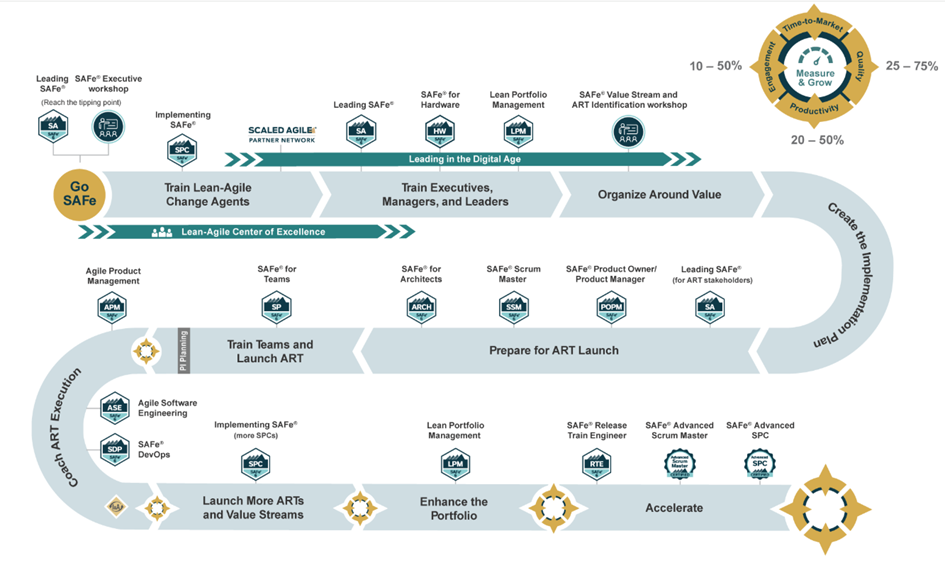
Here are some concrete steps to begin with:
1. Establish the LACe Early
Forming a Lean Agile Center of Excellence (LACe) early is critical. The LACe should:
- Govern the instantiation of the Lean Portfolio Management discipline
- Include Value Stream Leaders who can act as change agents in the shift from traditional portfolio management to LPM
2. Build Empathy and Shared Understanding
Conduct the needed empathy interviews with Value Stream Leaders and other key contributors to understand:
- Their daily challenges
- Constraints they face
- How portfolio decisions impact execution
3. Treat LPM as a Change Initiative
View the LPM setup itself as a change project:
- Involve Value Stream Leaders in designing and shaping it
- Ensure ownership and shared accountability from the start
4. Visualize the Reality
Map all projects into a simple Portfolio Kanban system—including:
- Active projects/initiatives
- Projects/initiatives completed over the past year
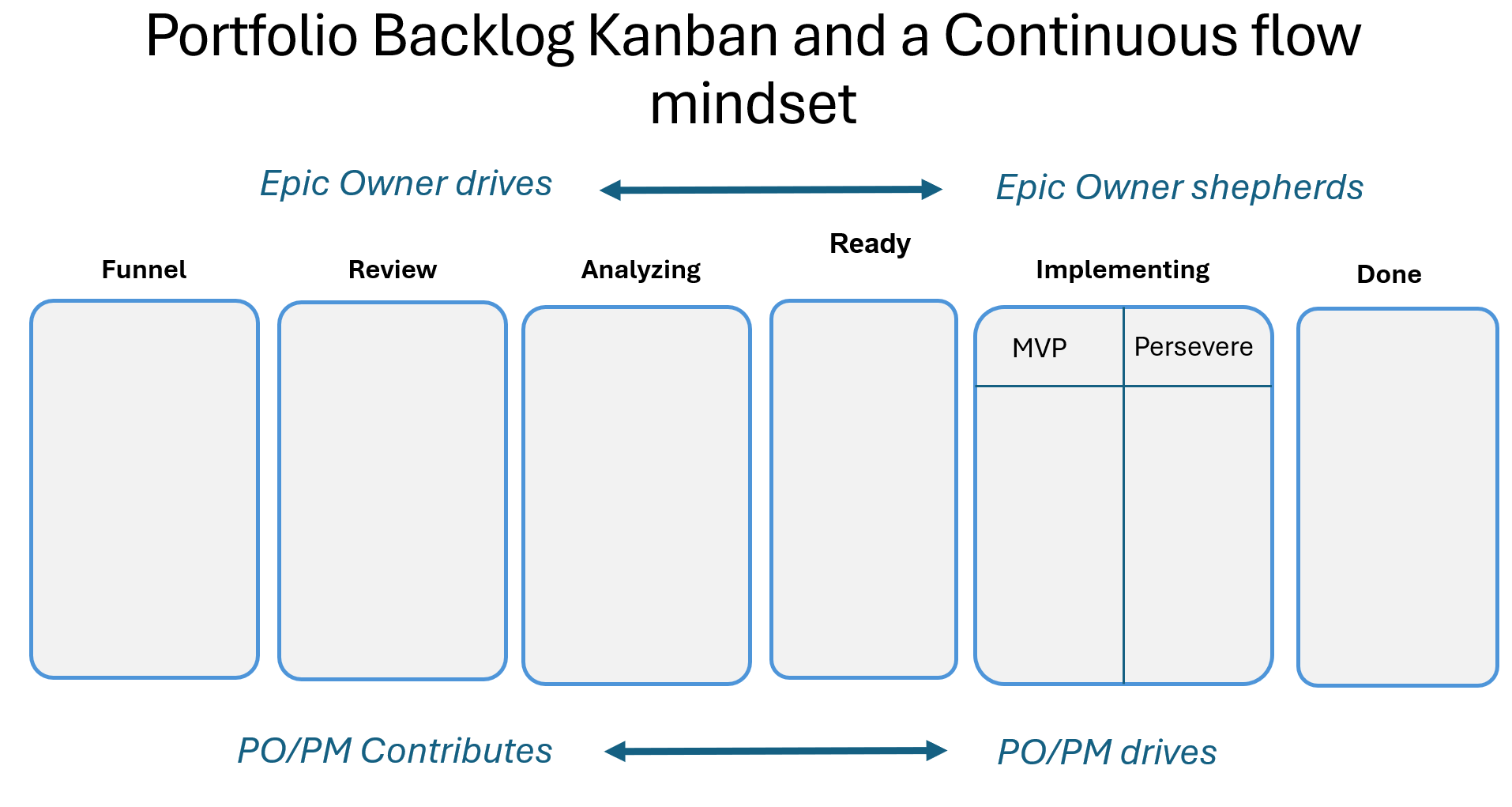
Then:
- Count how many projects were actually completed last year
- Compare this to how many initiatives are still in progress
- Initiate discussions on what to halt in order to increase speed in the most crucial deliveries
5. Set Initial Flow Limits
Use the number of projects completed last year as your initial flow limit for how many initiatives can realistically be in implementation at the same time.
From there:
- Work backwards and define WIP limits for each preceding Kanban state
- Expect to be surprised by the sheer volume of initiatives already in motion
This number is just an initial number (likely too high) to have a starting point. We will dive into this in more detail in the next post: "How do you consolidate ongoing projects into a Lean Agile Portfolio context?"
6. Let the Data Speak
Present the facts transparently:
- Highlight why consistent flow is not achievable under current overload
- Show how unrealistic expectations directly impact delivery performance
A Simple Goal—A Difficult Reality
On paper, the goal is straightforward:
Balance what we want to do with what we can realistically deliver.
In reality, this has proven to be one of the most challenging aspects of traditional portfolio management. The organizational, structural, and cultural factors outlined above make this balance difficult—but not impossible.
This blog series will address these challenges step by step.
What's Next?
In the next post, we will deep dive into:
"When is the right time to start shaping your Lean Agile Portfolio—and how many portfolios should you define?"
Until then, Take Care!